Spain and Argentina decide World Cup in last kick of extra time as tournament captures global attention

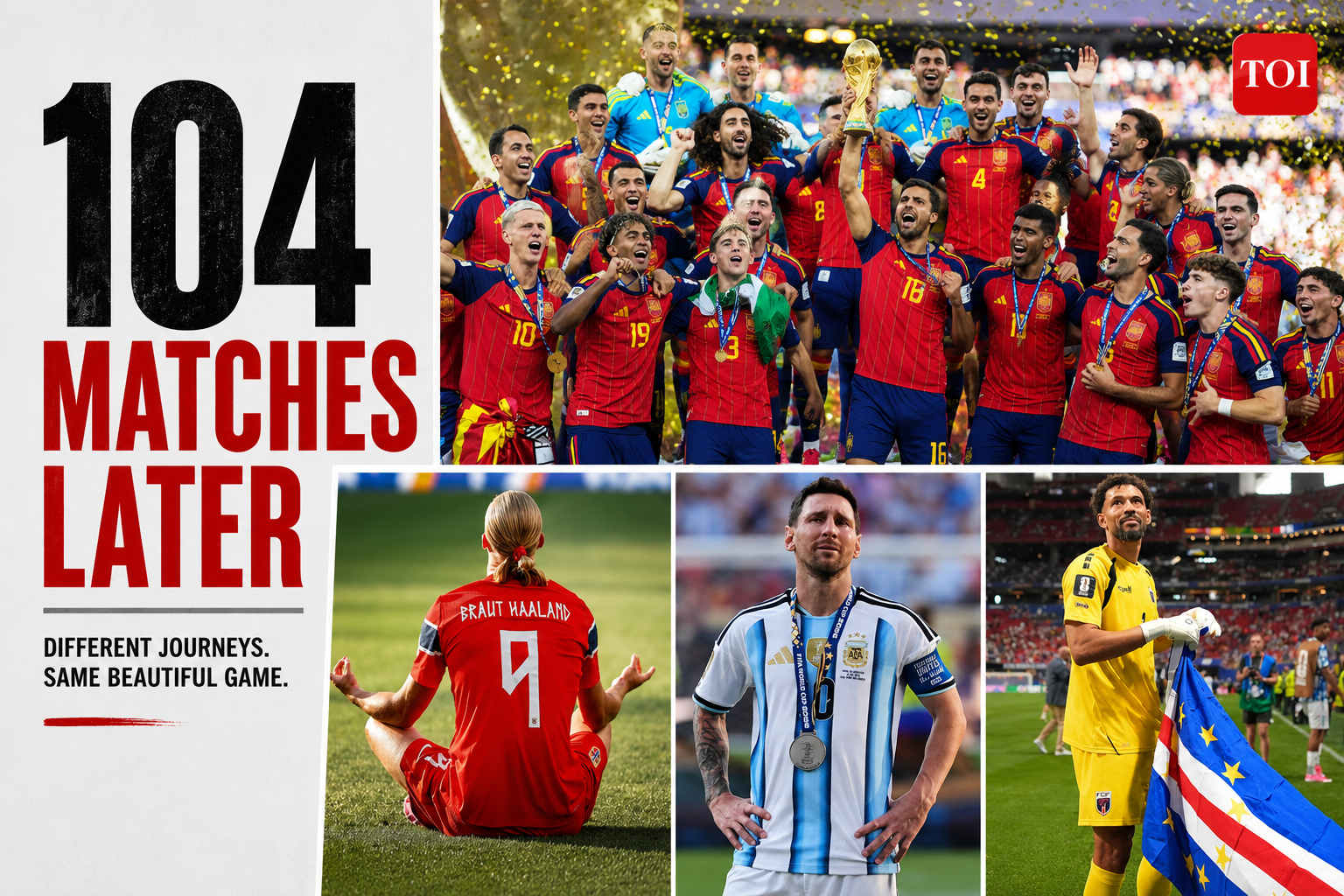
Spain and Argentina fought for the sport's biggest prize right down to the very last kick of extra time, in a final that held the world’s attention. The tournament emerged as a unifying spectacle that drew an audience whose scale outstripped political theatre and domestic distraction.
This World Cup unfolded as a competition of dramatic narratives, earned milestones and stories of personal and national renewal. Matches were contested on familiar fields — lush green grasses marked by white lines — yet the events off the pitch underscored how widely the game resonates. Across continents viewers followed each turn of fortune, and the tournament’s reach proved to be a defining feature. The combination of tight finishes and human stories contributed to a sense that this edition will remain prominent in collective memory.
Tactical battles and nerve-racking finales defined many of the fixtures, with the Argentina-Spain final epitomising the drama that gripped fans. That match, extending to extra time and ultimately decided at its very end, encapsulated the narrow margins and emotional intensity seen throughout the competition. Commentators and spectators alike were drawn into moments that demanded focus until the final whistle or kick. Such encounters reinforced the perception of a World Cup that repeatedly produced high-stakes, high-drama football.
Beyond on-field outcomes, narratives of redemption and remarkable individual journeys threaded through the tournament. Players and teams who faced setbacks earlier in their campaigns found ways to respond under pressure, creating compelling arcs that engaged followers around the globe. Those storylines added texture to results and offered reasons for fans to invest emotionally beyond national allegiance. The blend of athletic performance and personal comeback contributed to the event’s broader appeal.
The scale of global viewership amplified the tournament’s cultural impact, with moments from group stages to the final circulating widely and prompting shared conversation. In many places the World Cup dominated headlines and conversations, temporarily eclipsing other news and drawing people together in common interest. The sense of shared attention helped elevate single matches into communal experiences that resonated across different societies and languages.
Statistical landmarks and historic episodes also featured, creating additional talking points that extended the tournament’s footprint. Records and memorable achievements provided concrete reference points for assessing the competition’s quality and significance. Together with the human stories and dramatic matches, these elements shaped perceptions of this World Cup as notably memorable within the sport’s history.
More than any specific result, the tournament’s legacy may lie in how it brought people together across borders and languages and passports, no matter what was happening outside the stadium gates. That collective engagement — driven by close contests, personal narratives and landmark moments — is a central reason this edition will be remembered as one of the most significant and widely followed World Cups.