Why Alexandra Eala’s choice to represent the Philippines at the 2026 Asian Games provoked controversy

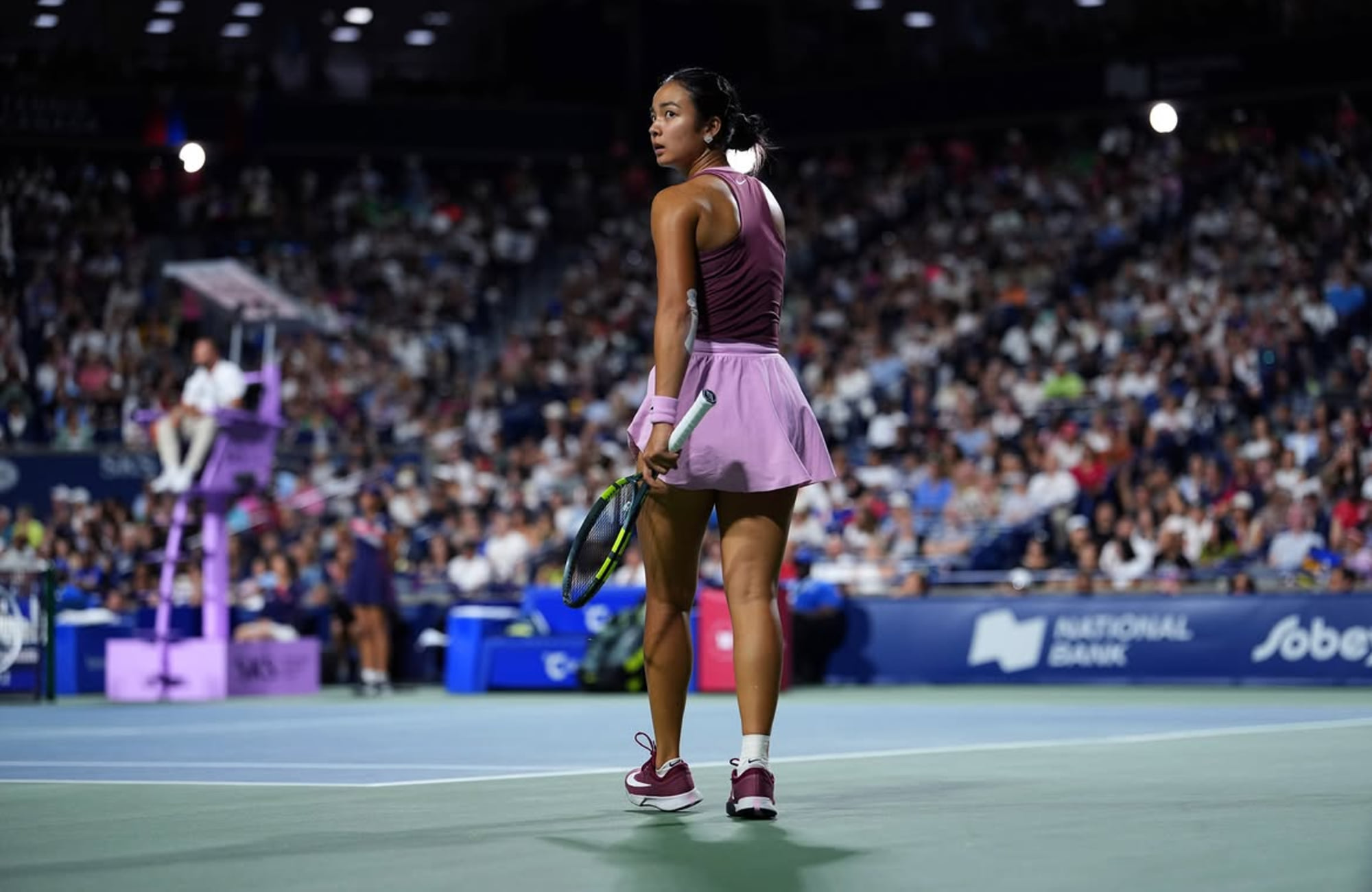
Alexandra Eala, a 21-year-old Philippine tennis player, has chosen to represent the Philippines at the 2026 Asian Games in Nagoya and will forgo the overlapping WTA 1000 China Open in Beijing, a decision that has generated controversy.
Tennis players typically prioritise Grand Slams and Masters events for ranking points and prize money, while the Olympics and Asian Games offer national glory with comparatively little impact on tour standing; that difference helps explain why many top players remain on the tour rather than play continental or Olympic events. At the 2014 Incheon Asian Games Leander Paes, Somdev Devvarman and Rohan Bopanna stayed on the ATP Tour instead of competing, and the Indian government initially refused to fund athletes who withdrew. Novak Djokovic’s Olympic gold in Paris 2024 — beating Carlos Alcaraz to complete the career Golden Slam and calling it “the proudest moment of his career” — is cited as an unusual example of a top player prioritising national honours.
Eala’s decision matters in practical terms because the China Open is a mandatory event for any player inside the WTA top 20; the two tournaments overlap almost entirely. Eala, currently ranked World No. 18, faces the prospect of receiving zero ranking points from Beijing and risks a $10,000 fine if she misses the China Open without an approved exemption.
The WTA previously rejected an exemption appeal from a player named Tjen, who is ranked outside the top 30 and subsequently withdrew from the Asian Games rather than risk a fine. The Philippine Tennis Association has submitted a similar request on Eala’s behalf, but the WTA has not issued a ruling, and the association has stated that Eala will travel to Nagoya regardless of the outcome.
Eala’s profile has risen rapidly in the Philippines, a nation of 117 million where basketball is widely followed and tennis has lacked a consistent top-level figure. Her run to the Wimbledon fourth round, victories over top-5 players Iga Swiatek and Elena Rybakina, and a breakthrough WTA title in Washington have all been cited as reasons for her elevated status in the country and have been compared in the report to making her the nation’s biggest sporting name since Manny Pacquiao.
Tournament organisers and broadcasters also stand to feel the impact of her absence from Beijing: the article says few current tour players command the same level of attention from crowds and networks, and her choice contrasts with several peers who have elected to remain at the China Open. China’s Zheng Qinwen, the defending Asian Games singles champion, and Wang Xinyu have both opted to stay in Beijing rather than defend Zheng’s title, while Naomi Osaka, representing host nation Japan, will also be at the China Open instead of competing in Nagoya.
The report frames Eala’s decision as uncommon within modern professional tennis because it involves prioritising a national team medal over ranking points and prize money, and it highlights the tension between tour obligations and national representation.
With no WTA ruling issued at the time of publication, the Philippine Tennis Association has confirmed Eala will travel to Nagoya to represent the Philippines at the 2026 Asian Games; Eala remains ranked World No. 18 and is yet to win a Grand Slam, her best singles result this year being a run to the pre-quarterfinals at Wimbledon.