Why David Beckham became the face of the World Cup in the US

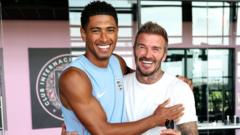
David Beckham was the public face of the World Cup campaign in the United States, and his presence remained a central promotional thread. After arriving in Los Angeles 19 years ago promising to grow the game, David Beckham is still helping sell football to America.
Beckham’s long association with the United States began with that move to Los Angeles 19 years ago and a stated intent to expand the sport’s footprint. His name and profile have consistently been linked to efforts to raise football’s profile across the country. That sustained visibility underpinned perceptions of him as a leading ambassador for the tournament on home soil.
His status as a prominent figure for the World Cup in the US stems from a prolonged public role that has spanned nearly two decades. Media attention and public recognition around his persona helped position him as a familiar representative of the game. That recognizability made him an effective conduit for promoting football to American audiences.
The narrative of Beckham’s commitment is tied to his arrival in Los Angeles and the promise he made about growing the sport. Over time, that promise has been interpreted as an ongoing effort to engage fans and broaden interest in football across different parts of the United States. The continuity of his involvement has reinforced the sense that he played a central representational role during the World Cup.
For many observers, Beckham’s combination of celebrity and long-term engagement with football in America translated into symbolic leadership for the tournament. His profile offered a familiar face to attach to broader promotional activity, helping to connect existing supporters and potential new fans. That symbolic dimension contributed to his reputation as the face of the World Cup in the US.
Beckham’s trajectory since relocating to Los Angeles has been characterized by a public-facing commitment to the sport that continues to resonate. By maintaining a visible link between his personal brand and football, he remains a key figure in efforts to sell the game to an American audience.