2026 World Cup: on-field solidity amid controversies and political manoeuvres

On the field the tournament delivered solidity rather than brilliance. Off it, a string of controversies and compromises left the event looking considerably less edifying.
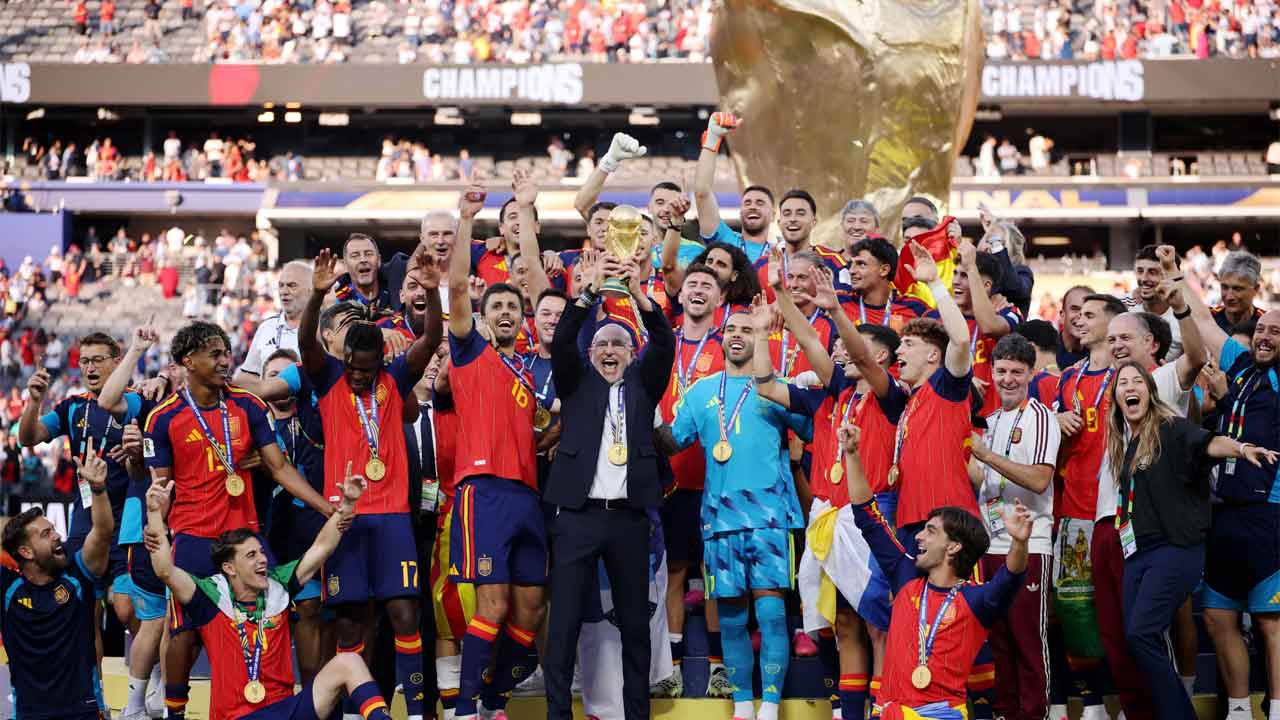
With fragments of gold tape still drifting over New Jersey, it may be premature to issue a final verdict. A fuller assessment will only be possible once memories settle and the wider consequences of what occurred become clearer. Nonetheless, it is possible to attempt an appraisal of the World Cup that concluded with Leandro Paredes grappling with Gavi and what that might mean historically.
The Balogun Affair could yet have major consequences. For now, however, the pace and momentum of the tournament appeared to wash much else aside, as is common in knockout competitions. Tournaments tend to create their own propulsion toward a finale, and that drive often leaves controversy relegated to the margins until after the event.
There is, though, a more persistent strand to the background narrative: decisions taken under political pressure. The bending before political pressure, sweeping aside 64 years of precedent to ensure a particular player could take the stage, has been widely remarked upon. Such interventions mark a departure from long-established practice and have altered perceptions of how selection and eligibility are managed at the highest level.
Those developments do not exist in isolation. Gianni Infantino had done with Cristiano Ronaldo, just as he had done in gerrymandering the qualification criteria for the Club World Cup to ensure Lionel Messi played, actions that observers point to when considering the broader pattern. The accumulation of these episodes contributes to a sense that off-field manoeuvring has become as consequential as on-field performances.
Viewed strictly as a sporting spectacle, the tournament provided moments of quality and occasion. Yet the surrounding political and administrative compromises have complicated its legacy, introducing questions that will outlast the highlights and the final whistles. The contrast between what occurred on the pitch and what transpired behind the scenes is likely to shape how the 2026 World Cup is remembered.
The full historical judgement will wait until the reverberations of these controversies are clearer. For now, the tournament stands as a good rather than great World Cup on the field, while its off-field record remains substantially less edifying.