Mohammad Amir says his 'Pakistan chapter' is closed after gaining British citizenship


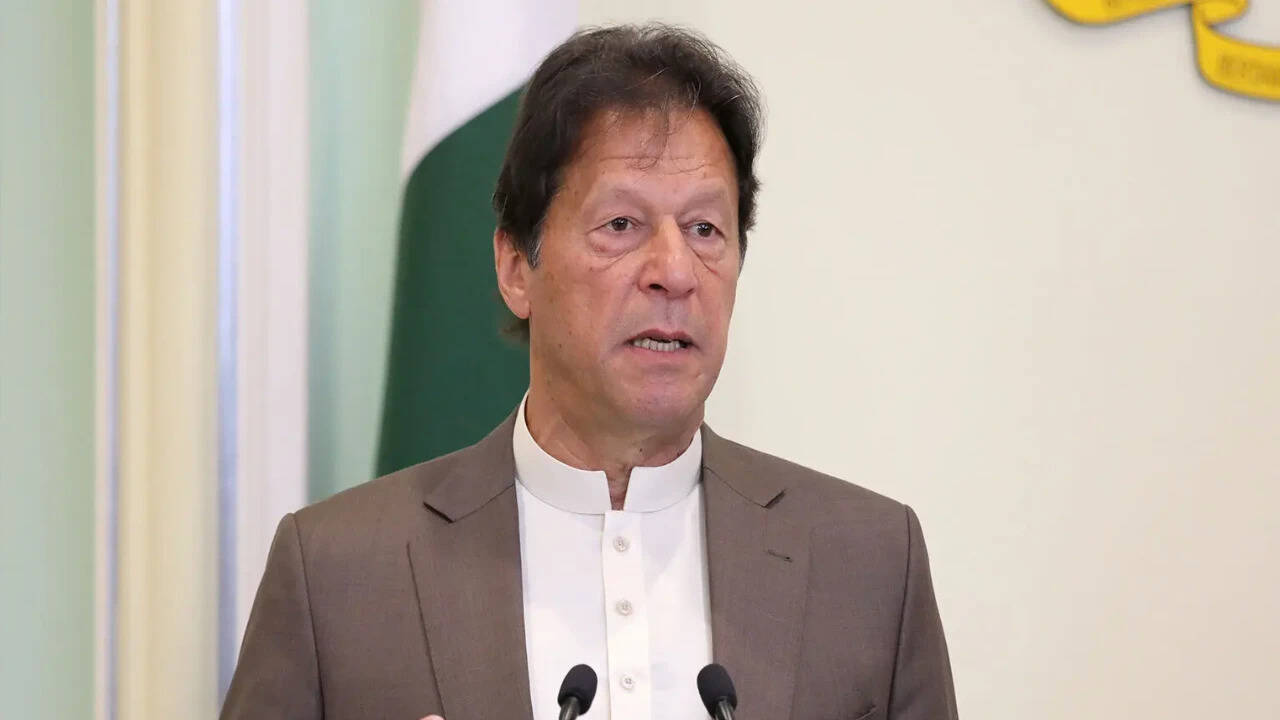
Mohammad Amir said in an interview with cricket journalist and YouTuber Muhammad Furqan Bhatti on August 30, 2026 that his "Pakistan chapter" is closed after he acquired British citizenship, a status that makes him a British local eligible for English domestic competitions.
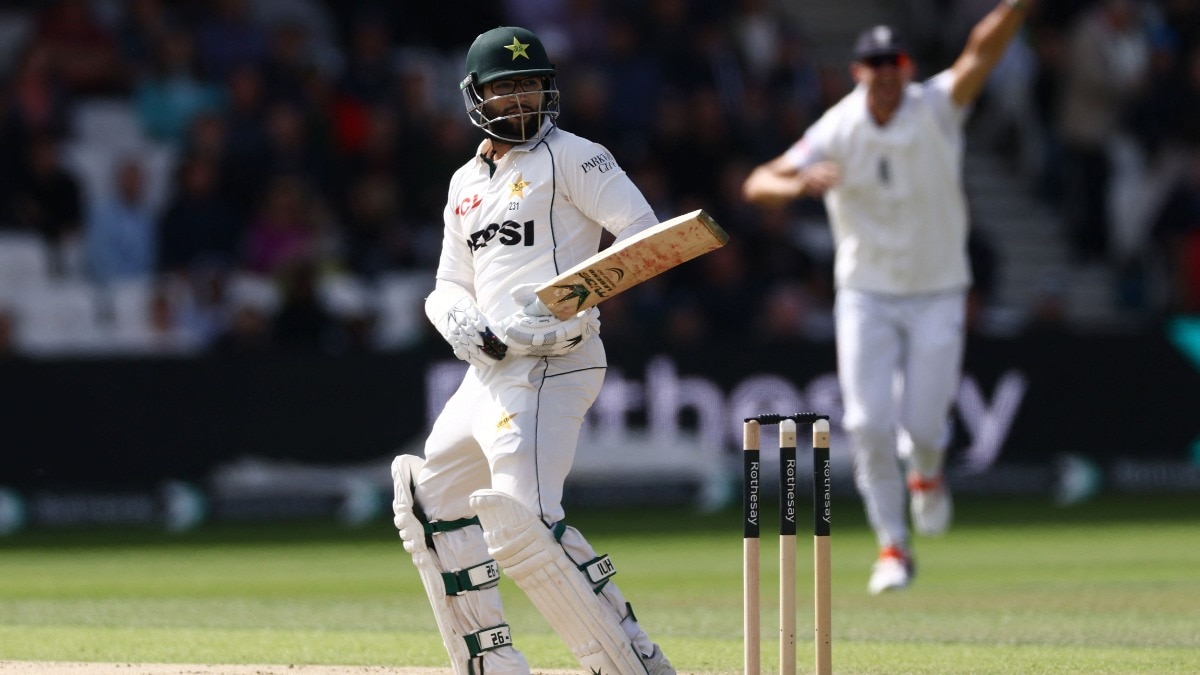
Amir retired from international cricket in December 2024 and has since lived in the United Kingdom for several years, taking part in English domestic and franchise cricket during his post-international career. He obtained British citizenship through his marriage to Narjis Khan, who is a British citizen. His change of nationality alters how he is classified for team selection in English competitions.
Explaining the consequence of that classification, Amir said: “I am a British local now. When you play in competitions such as the County Championship and The Hundred as a local player, you have to sign a document stating that you cannot play for another country as a local. So, the Pakistan chapter I had before is now closed,” Amir said. He said that requirement is the reason a return to Pakistan cricket is no longer possible under his current status.
Amir’s British-local classification has already been applied in English domestic contracts: Nottinghamshire signed him for the 2026 T20 Blast and the seamer did not occupy an overseas slot. He also represented Trent Rockets in The Hundred as a local player.
Amir confirmed he remained open to playing in the Pakistan Super League as a foreign player. The change in his status means he can continue playing in England as a local while potentially featuring in Pakistan's premier franchise tournament under its foreign-player category.
Across his international career, Amir took 259 wickets in 147 international matches across Tests, ODIs and T20Is. He was also part of Pakistan's 2017 Champions Trophy campaign.
His status drew attention after he represented Rawalpindi in the 2026 PSL, a period when the implications of his British-local classification became particularly relevant.