Scotland and Netherlands criticise ICC changes to 2027 World Cup format

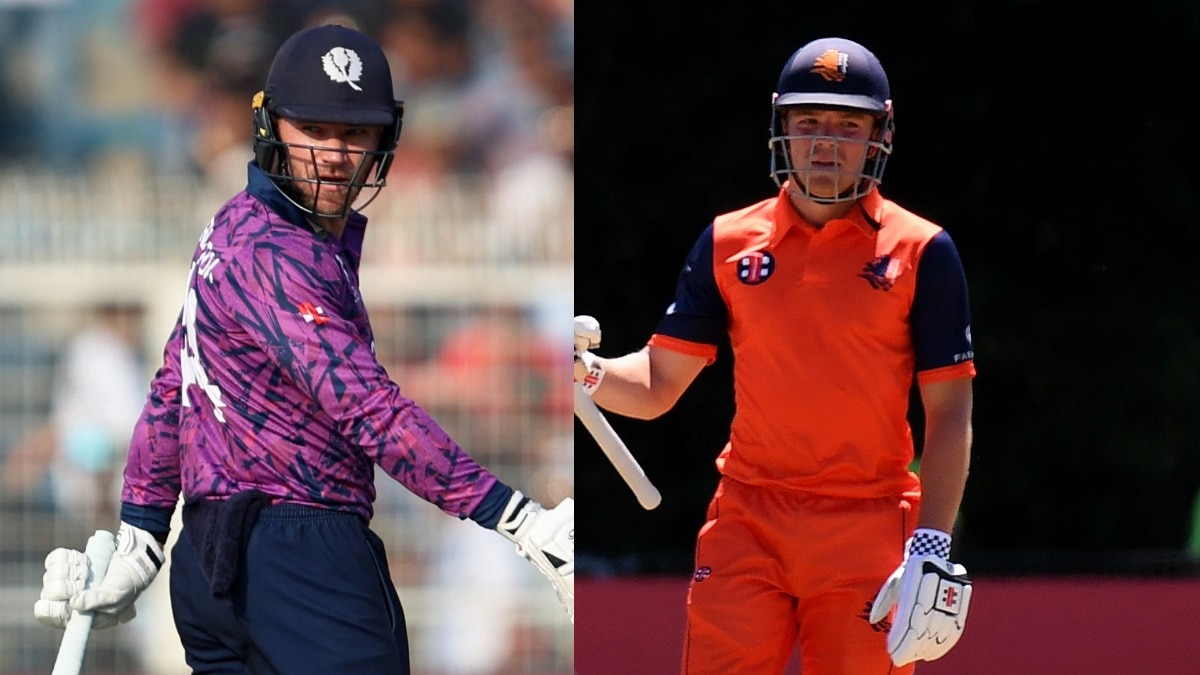
On August 10, 2026, Cricket Scotland and the Royal Dutch Cricket Association (KNCB) jointly criticised the International Cricket Council over late changes to the qualification pathway and tournament format for the 2027 Men's ODI World Cup. They said they were “deeply disappointed” that significant changes had been introduced less than 18 months before the tournament.
The two boards issued a joint statement arguing the revisions could undermine progress by Associate nations and reduce meaningful opportunities for emerging teams. “Cricket Scotland and the Royal Dutch Cricket Association (KNCB) are deeply disappointed by the International Cricket Council's recent decision to implement significant structural changes to the ICC Men's 50-over World Cup qualification pathway and tournament format with less than 18 months until the competition begins,” the joint statement read. “These changes represent a setback to Associate Member cricket and risk undermining the progress made in recent years to grow the global game. At a time when cricket is seeking to expand its reach, attract new audiences and strengthen its position on the international sporting landscape, reducing meaningful opportunities for emerging nations sends entirely the wrong message.”
Beyond the substantive objections to format and qualification, the boards criticised the process by which the ICC introduced the changes and the timing of the announcement. They said Associate Members were not given sufficient opportunity to understand, discuss or respond to the implications and added that “Decisions of this significance, particularly those directly affecting Associate Members, should be made clearly following meaningful consultation and with sufficient notice.” “The timing of these changes, with less than eighteen months until the tournament, has given affected Members limited opportunity to contribute to the process or adapt. We believe greater engagement with Associate Members would have supported a more effective and collaborative approach and help maintain confidence in the qualification pathway,” the statement added.
The statement framed the criticism within recent performances by both sides at global events: the Netherlands qualified for the 2023 ODI World Cup, while Scotland have established themselves as one of Europe's leading Associate sides. The boards argued those achievements make the revisions particularly damaging to the opportunities for teams outside the Full Member ranks.
The ICC unveiled the revamped 2027 World Cup structure on July 15, retaining a 14-team field but introducing a three-stage format before knockout matches. Under the announced model, the tournament will start with a Super Series involving the three lowest-ranked qualified teams playing a round-robin; only the Super Series winner advances to the next stage.
The second round will feature 12 teams split into two groups of six, playing a combined total of 30 matches, with the top three from each group progressing alongside the next-best fourth-placed side across both groups. Those seven teams will enter a Super 7 stage consisting of 21 round-robin matches, after which the top four will contest semi-finals (first v fourth and second v third) and the winners will meet in the final. The ICC has said the revamped system is designed to increase competitiveness and ensure matches carry greater significance from the outset.
Scotland and the Netherlands said the cumulative effect of the format and qualification changes could make the route to the 2027 World Cup more difficult for Associate nations.