Asian Games 2026: logistical breakdown in Aichi-Nagoya disrupts athletes, India activates contingency plan

India’s delegation and athletes from several nations encountered significant logistical failures during the opening days of the Aichi-Nagoya 2026 Asian Games in Nagoya, Japan, with reports of athletes sleeping in hotel lobbies, incorrect room allocations and buses failing to arrive on time.
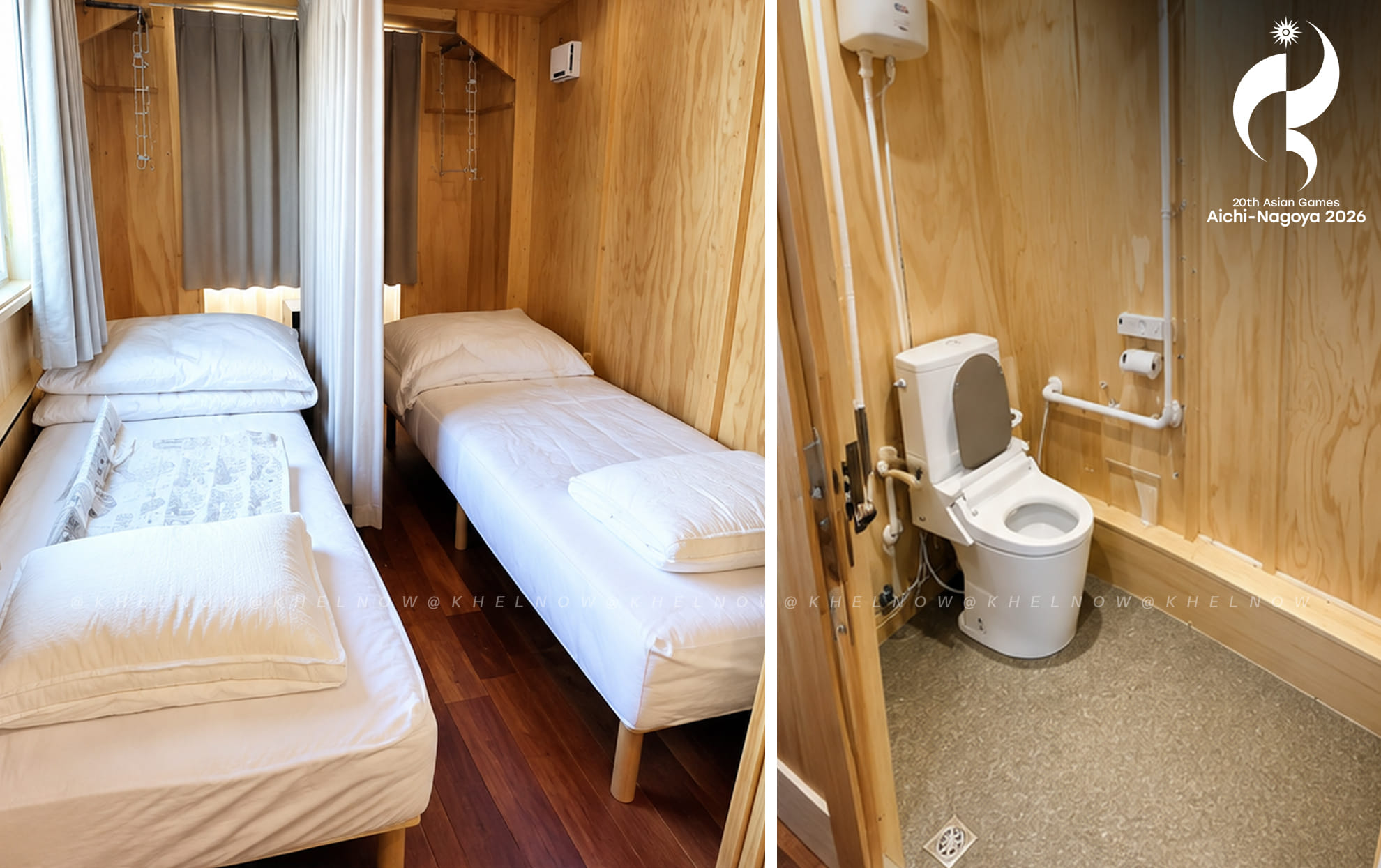
Japan had framed its bid on a reputation for precision and hospitality, but organisers chose not to build a conventional Athletes’ Village, instead spreading roughly 11,000 athletes across hotels, shipping containers and a cruise ship; planned numbers rising from 15,000 to nearly 17,000 exacerbated the situation and organisers described the problems as "unexpected numbers," a "logistical mismatch."
Indian athletes reported multiple failures on arrival: Indian rowers waited more than 11 hours for rooms after reaching the Costa Serena, three women rowers were not in the registration system despite valid accreditation, and MMA fighter Varun Sanyal documented seven hours of waiting before being woken 30 minutes into his sleep by two more athletes assigned to the same room. Shooters said their booked hotel had given away rooms to dope control and that a coach’s accreditation did not grant field-of-play access, while a bus for the shooting delegation filled so fast coaches and support staff were asked to step off; an Indian coach described the mood as “Everything is Ram Bharose (Everything is at god’s will).”
The issues were not limited to India: China’s gymnast Zhang Boheng said he waited six hours in heavy rain and went without a proper meal from 7 AM until nearly 7 PM, South Korean player Byeon Jun-hyeong posted footage of a leaking sink captioned "Please help us.", and South Korean officials called the edition the "worst-ever" Asian Games citing shortages of accommodation and beds. Reports also said some Japanese athletes were mistakenly assigned to shared rooms with the opposite gender and later moved to backup accommodation, and a journalist spent more than two hours travelling from Nagoya Station to the Main Press Centre.
Observers recalled the criticism India faced when hosting the 2010 Commonwealth Games, including images of a collapsed footbridge, a falling ceiling panel and dirty athlete quarters and media branding the event the "Shame Games." A Commonwealth Games Federation official once described parts of the athletes’ village as "uninhabitable," and Lalit Bhanot was mocked for suggesting international cleanliness standards "differ" from local ones.
India mounted a rapid response once problems emerged: Chef de Mission Sahdev Yadav activated a three-layer contingency system, deploying two representatives at the airport and three officials at the Athlete Welcome Centre, and identified a database of around 2,000 Indians in Nagoya as potential emergency housing. Around 30 to 35 Indian athletes were affected by the accommodation shortfall; India booked 18 additional hotel rooms with plans for 10 more, and the Sports Authority of India had earlier constructed container-style mock rooms at its Bengaluru and Patiala training centres months in advance to familiarise athletes with the unconventional accommodation model.
Japan still has time to right the ship, and organisers have been working to address individual complaints as they arise; after the initial delays and room shortages the Indian contingent is staying in officially arranged temporary accommodations, including the Italian cruise liner Costa Serena docked at the Port of Nagoya and designated local hotels.